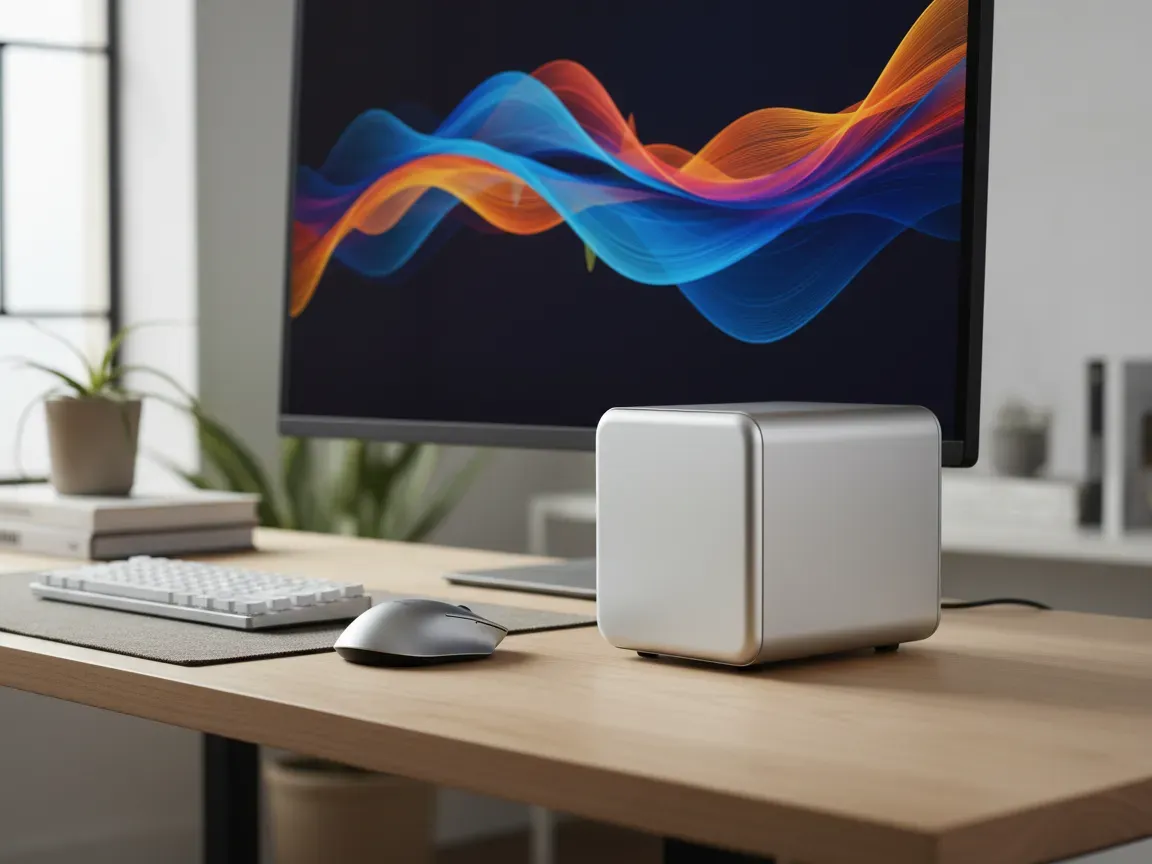
Apple redesigned the value proposition of its desktop lineup with the launch of the latest Mac mini. While the machine brings serious silicon upgrades, the conversation surrounding it has quickly shifted from pure processing metrics to affordability.
For years, the Mac mini served as the most accessible entryway into the macOS ecosystem. It gave students, developers, and small businesses a reliable workhorse without demanding thousands of dollars upfront. With the transition to the M6 chip, Apple pushes desktop capability forward, but a notable price bump reshapes where this tiny computer fits in the broader market.
Apple M6 Silicon Delivers Raw Desktop Power
The core appeal of this generation rests entirely on the M6 processor. Built on an advanced architecture, the chip introduces noticeable leaps in both single-core operations and multi-threaded workflows. Daily productivity feels instantaneous, but the actual benefits surface when tackling heavier loads like 4K video rendering, local code compilation, and multitrack audio processing.
The integrated graphics engine also takes a major step ahead. Desktop users working with 3D modeling programs or editing high-bitrate media will notice smoother real-time playback and faster export timelines. Hardware-accelerated tasks run with minimal friction, making this compact box punch far above its physical dimensions in raw computational throughput.
Compact Chassis, Ports, and Thermal Efficiency
Physical design remains a strong suit for Apple desktop engineering. The familiar aluminum enclosure retains a clean footprint on any workstation, fitting easily beneath monitors or inside compact studio setups. Despite the added processing horsepower of the M6 chip, internal temperatures stay firmly controlled.
The built-in thermal design relies on a single blower system that rarely spins up to audible levels during typical daily routines. Even when pushing sustained creative workloads, fan noise remains unobtrusive. On the connectivity front, the machine continues to offer a practical mix of ports:
- High-speed Thunderbolt ports for rapid external storage and multi-monitor setups
- Traditional USB-A connections for standard desktop accessories
- A full-sized HDMI output for versatile display pairing
- Gigabit Ethernet for stable office networking
- A dedicated headphone jack on the exterior
This port balance means most users can connect their existing desk setup without needing a pile of external hubs or dongles.
The Reality of the New 899 Dollar Starting Price
Performance gains are easy to appreciate, but the adjusted 899 dollar entry point creates immediate friction. The Mac mini built its modern reputation as a sub-600 dollar gateway for anyone who already owned a keyboard, mouse, and monitor. By moving the baseline significantly higher, Apple changes who this product targets.
At this higher tier, buyers expect generous baseline configurations. When users add extra unified memory or internal storage during checkout, the final cost rapidly approaches the territory of dedicated studio machines and high-end creative laptops. For budget-conscious shoppers, crossing the 899 dollar threshold transforms an impulsive home office purchase into a deliberate financial calculation.
How the M6 Compares to the Previous Generation?
Stacking the M6 against its direct predecessor reveals a clear trade-off between pure efficiency and financial sense. The prior generation remains exceptionally fast for everyday web browsing, office administration, and light content creation. In side-by-side comparisons, the older chip still handles standard creative tasks with plenty of headroom.
Where the M6 pulls away is in sustained multi-core heavy lifting and complex graphical workloads. Complex timeline exports finish faster, and intensive background tasks complete with less system strain. However, because the older hardware handles routine computing with zero lag, the generational gap feels narrow for casual users. The previous model provided an unbeatable performance-to-dollar ratio that the M6 simply cannot match at its higher retail cost.
Who Should Buy the New Mac mini?
The target audience for this machine is narrower than in past years. Creative professionals, software engineers, and digital artists who want compact desktop power without paying for a full studio workstation will extract genuine value from the M6 silicon. The sustained speed and quiet thermal profile suit professional environments well.
Conversely, mainstream users looking for a simple family desktop or an affordable home computer will struggle to justify the premium. For web browsing, spreadsheet work, and streaming, the extra speed remains largely invisible in day-to-day use. These buyers will get much better financial value by hunting down discounted previous-generation hardware or certified refurbished units.
Making Sense of Apple New Desktop Strategy
The M6 Mac mini is undeniably an impressive piece of compact desktop engineering. It runs quietly, takes up almost no space on a desk, and handles intensive creative applications with effortless stability. Apple built a machine that easily outpaces most small-form-factor PCs in both raw speed and energy efficiency.
The higher financial barrier simply means that buyers must look closely at their actual daily workflows. Those who make a living running demanding software will recover the investment quickly through saved rendering hours and seamless multitasking. Anyone else just looking for a dependable Mac for everyday tasks should look at remaining older stock, where the real value still lives.