
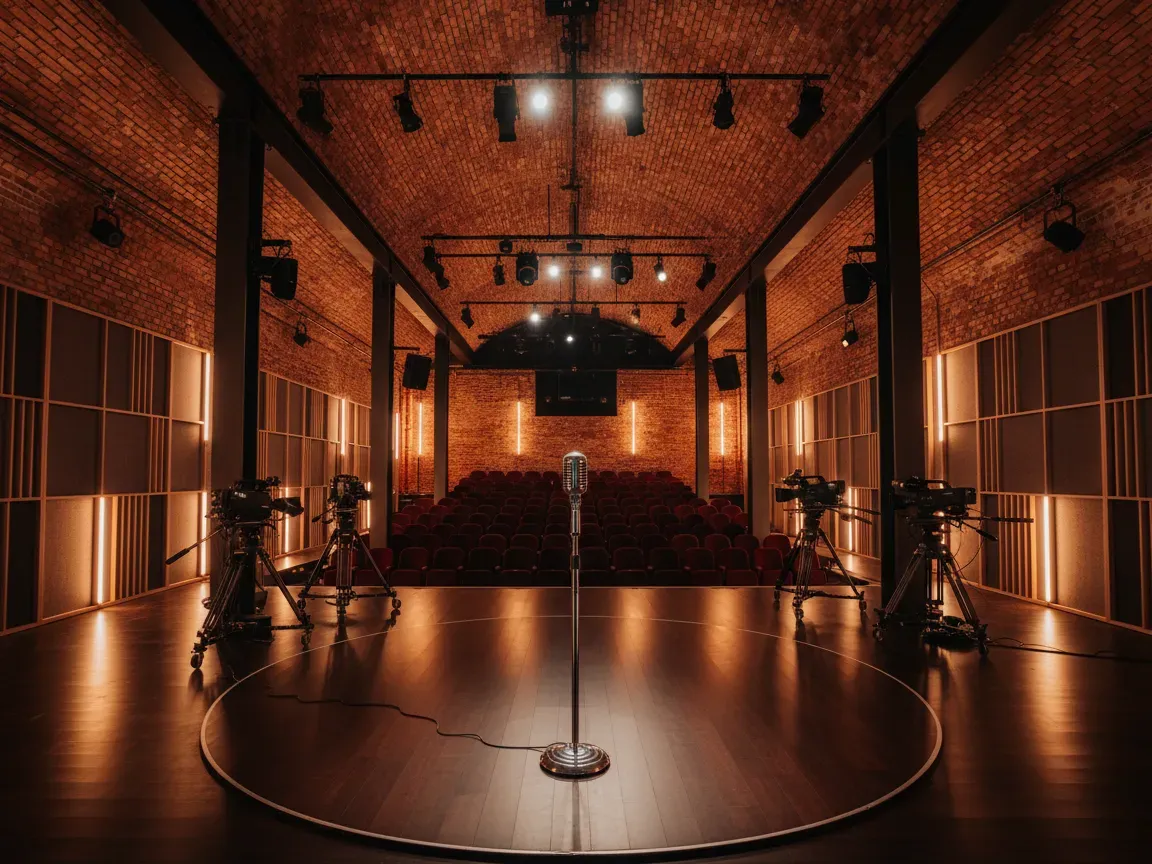
Apple is officially expanding into brick-and-mortar entertainment by opening its very first dedicated live music venue. Located directly underneath the company’s UK headquarters at the restored Battersea Power Station in London, the new facility represents an ambitious bridge between physical live performances and global digital media.
Rather than building a standard corporate auditorium, the tech giant created a purpose-built hub designed specifically for artists, premium audio capture, and worldwide streaming.
What Is Apple Music Hall Beneath Battersea Power Station?
Apple Music Hall is a brand-new subterranean venue constructed right below Apple’s primary European office complex. The broader Battersea Power Station project transformed an iconic industrial landmark into a bustling neighborhood of offices, retail spaces, and residences. Placing a custom performance hall directly under this corporate campus gives the company a permanent physical anchor for its creative operations.
The venue is built from the ground up to support modern production standards. Instead of renting third-party theaters across London, Apple now controls an in-house facility where artists can rehearse, host private release shows, and record material directly for digital distribution.
Inside the Intimate 600-Person Performance Center
Unlike massive commercial arenas, Apple Music Hall is intentionally scaled down to deliver an exclusive atmosphere. It features an intimate capacity of around 600 guests, putting attendees remarkably close to the stage.
Key elements of the space include:
- A tight 600-person capacity that prioritizes close-up fan experiences over stadium volume
- Cutting-edge acoustic architecture tuned specifically for clean audio tracking and pristine live listening
- Advanced studio-grade lighting systems and multi-angle broadcast camera rigs integrated seamlessly into the walls
- Dedicated production control rooms designed to package live sets for rapid post-production
This focused scale allows high-profile musicians to play stripped-back sets or debut new albums in front of select crowds, while capturing studio-quality multichannel sound.
How the Venue Powers the Apple Music Streaming Ecosystem?
The establishment of Apple Music Hall is directly tied to the growth of Apple Music. In a digital landscape where every major streaming platform offers essentially the same vast library of songs, original and exclusive programming has become the primary battleground.
By owning the venue, Apple can produce continuous streams of proprietary content that cannot be found on rival services:
- Exclusive live albums recorded directly to Spatial Audio formats
- Intimate video sessions and artist interviews filmed before or after sets
- Deep integrations with Apple Music 1 and other live radio broadcasts
- Bespoke performances tied to global marketing campaigns for new album cycles
The physical venue acts as a direct feeder for the streaming service, ensuring subscriber retention through content that exists nowhere else.
Bridging Live Concerts and Global Digital Broadcasts
The venue is structured from floor to ceiling as a broadcast studio disguised as a club. When an artist takes the stage in London, the technical infrastructure is built to translate that experience instantaneously to screens and headphones worldwide.
High-resolution video systems, automated camera tracks, and low-latency digital audio pipelines mean that a show inside the 600-seat room can premiere simultaneously to tens of millions of viewers. By treating the physical room as the origination point for a global broadcast, Apple effectively dissolves the geographic limitations of traditional live touring. Fans around the world gain virtual front-row access, while attendees in the room experience the energy of an exclusive underground gig.
Apple’s Growing Footprint in the Modern Entertainment Industry
This launch highlights how far Apple has traveled from its roots as a consumer hardware company. Over the past decade, services like Apple TV+, Apple Podcasts, and Apple Music have evolved from simple utility software into full-scale media powerhouses producing award-winning original entertainment.
Stepping directly into live venue operation cements this evolution. Apple is no longer just selling the devices on which people listen to music, nor is it merely acting as a digital retailer. It is now curating cultural moments, managing the physical infrastructure where music is created, and shaping the live entertainment pipeline from initial chord to final master.
What Does This Launch Mean for the Future of Tech-Driven Live Music?
The opening of Apple Music Hall signals a major shift in how major tech platforms approach music distribution. As standard digital streaming matures, the value of the platform increasingly depends on exclusive, immersive cultural events.
For creators, having access to an intimate, tech-forward room backed by a global distribution network offers a streamlined path to reach international audiences without embarking on an exhausting tour. For music fans, it means higher-quality live recordings, interactive broadcasts, and greater access to rare performances from top-tier musicians.
As tech companies continue to invest directly into physical spaces, the boundaries between live venues and digital platforms will continue to disappear. Battersea represents a clear blueprint for this hybrid future, turning a historic underground landmark into a focal point for worldwide audio entertainment.