
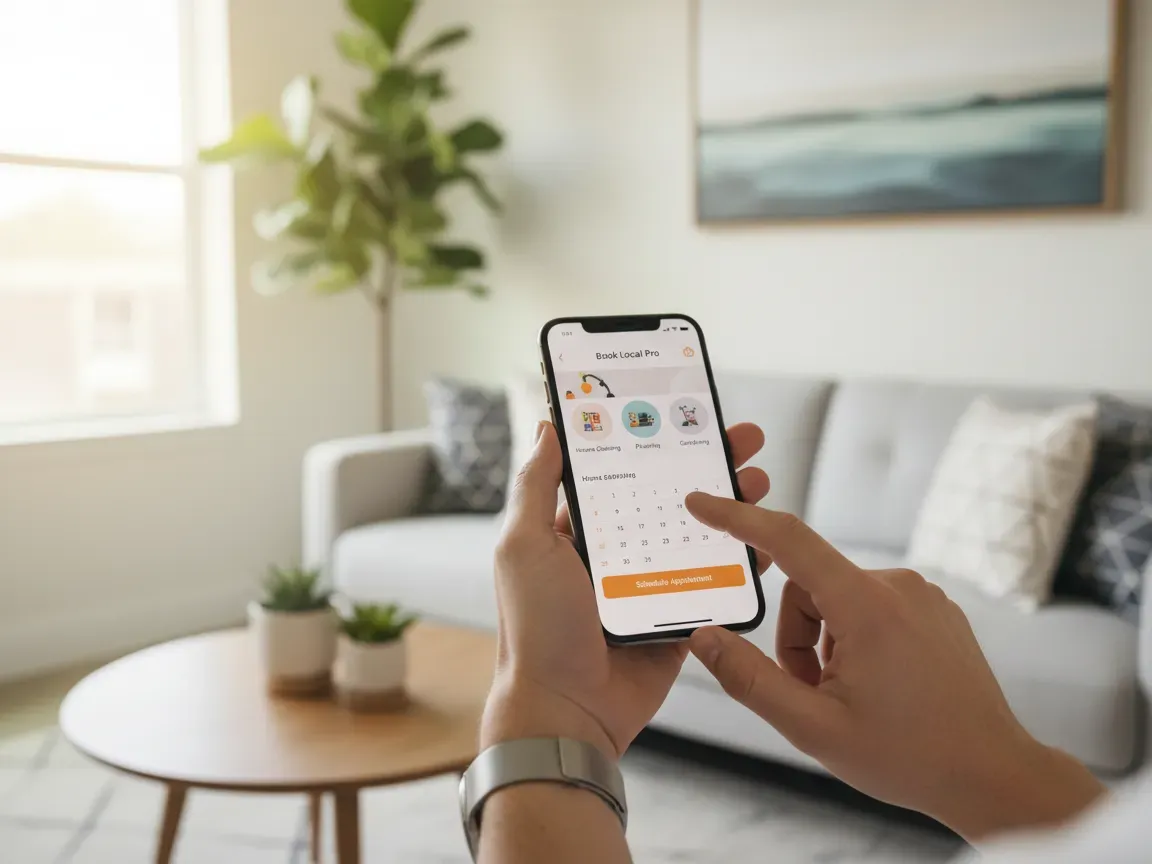
Google has expanded its direct booking capabilities within Local Services Ads (LSAs), connecting the feature with more than 500 scheduling software partners. This update allows prospective customers to book appointments directly within the ad unit, eliminating the friction of visiting an external website or making an initial phone call. For service businesses, this shift changes how high-intent local searchers convert into scheduled jobs.
A Frictionless Path from Search to Scheduled Appointment
Local Services Ads sit at the very top of Google Search results, targeting users with immediate service needs. Previously, searchers had to call the business or submit a message lead form, both of which introduced potential drop-off points. If a business missed the call or delayed answering the message, the prospect often moved to the next competitor on the list.
With direct booking enabled across hundreds of scheduling platforms, the user experience becomes completely native:
- Searchers see available calendar slots directly inside the LSA interface.
- They select the specific service they need, choose an open date and time, and enter their contact details.
- The booking confirms instantly within Google, syncing automatically with the provider’s backend calendar.
This native flow removes the latency of back-and-forth communication, capturing customers at the peak of their purchase intent.
The Impact on Local Conversion Rates and Acquisition Costs
Enabling instant scheduling directly impacts key performance metrics for home service providers, legal professionals, healthcare practitioners, and other local businesses:
- Higher conversion rates: Removing redirects and form latency prevents bounce-offs. Consumers who want immediate confirmation can secure an appointment in seconds.
- Reduced lead waste: Missed calls and delayed email responses account for a large percentage of lost leads in local advertising. Direct bookings bypass phone tag altogether.
- Lower customer acquisition costs: Because LSA pricing revolves around verified leads, converting a higher percentage of ad views into scheduled appointments improves overall return on ad spend.
- Streamlined dispatch and scheduling: Automatic integration reduces administrative overhead for front-desk staff, letting them focus on fulfillment rather than manual calendar management.
Integrating Your Scheduling Software with Google LSAs
To activate direct booking, businesses must use a supported partner platform and link it through their Google Local Services dashboard. The setup process involves several straightforward steps:
- Check software compatibility: Verify that your current CRM or booking platform is among Google’s 500+ supported scheduling partners (such as Housecall Pro, Jobber, ServiceTitan, or similar industry tools).
- Link the platform in LSA settings: Navigate to the profile settings within the Local Services Ads dashboard and locate the booking integration section. Follow the prompts to authorize the connection between Google and your scheduling software.
- Map your services and availability: Match the service categories in your LSA profile with the exact services configured in your booking tool. Ensure that service durations, travel buffers, and staff calendars reflect real-time availability.
- Test the customer booking flow: Run a test reservation to verify that appointments created via Google appear properly in your internal dispatch queue and trigger the correct customer confirmations.
Profile Optimization for Maximum Booking Volume
Connecting your calendar is only the technical foundation. To drive consistent booking volume through LSAs, businesses need an optimized ad profile that builds trust:
- Maintain active verification badges: Keep your Google Guaranteed or Google Screened status in good standing by renewing background checks, license proofs, and insurance documents promptly.
- Keep real-time calendar accuracy: Inaccurate calendars lead to cancellations, which negatively affect ad ranking. Ensure your team updates blockouts and time-off in real time.
- Build a steady stream of verified reviews: Customer ratings heavily influence click-through and booking decisions. Ask satisfied customers to leave feedback directly on your LSA profile.
- Define clear service scopes: Provide specific details about what each service entails so users feel confident booking without needing a preliminary phone consultation.
- Monitor dispute windows and lead quality: Regularly review completed bookings in the LSA dashboard to manage lead disputes where applicable and maintain healthy account metrics.
Adapting to the Evolution of Local Ads
Direct booking is setting a new standard for local search convenience. As consumers increasingly expect on-demand service confirmation, businesses that support automated scheduling within their ad units gain an immediate advantage over those relying solely on manual phone intake. Evaluating your current booking infrastructure and enabling LSA direct integration ensures your business captures local demand efficiently.