
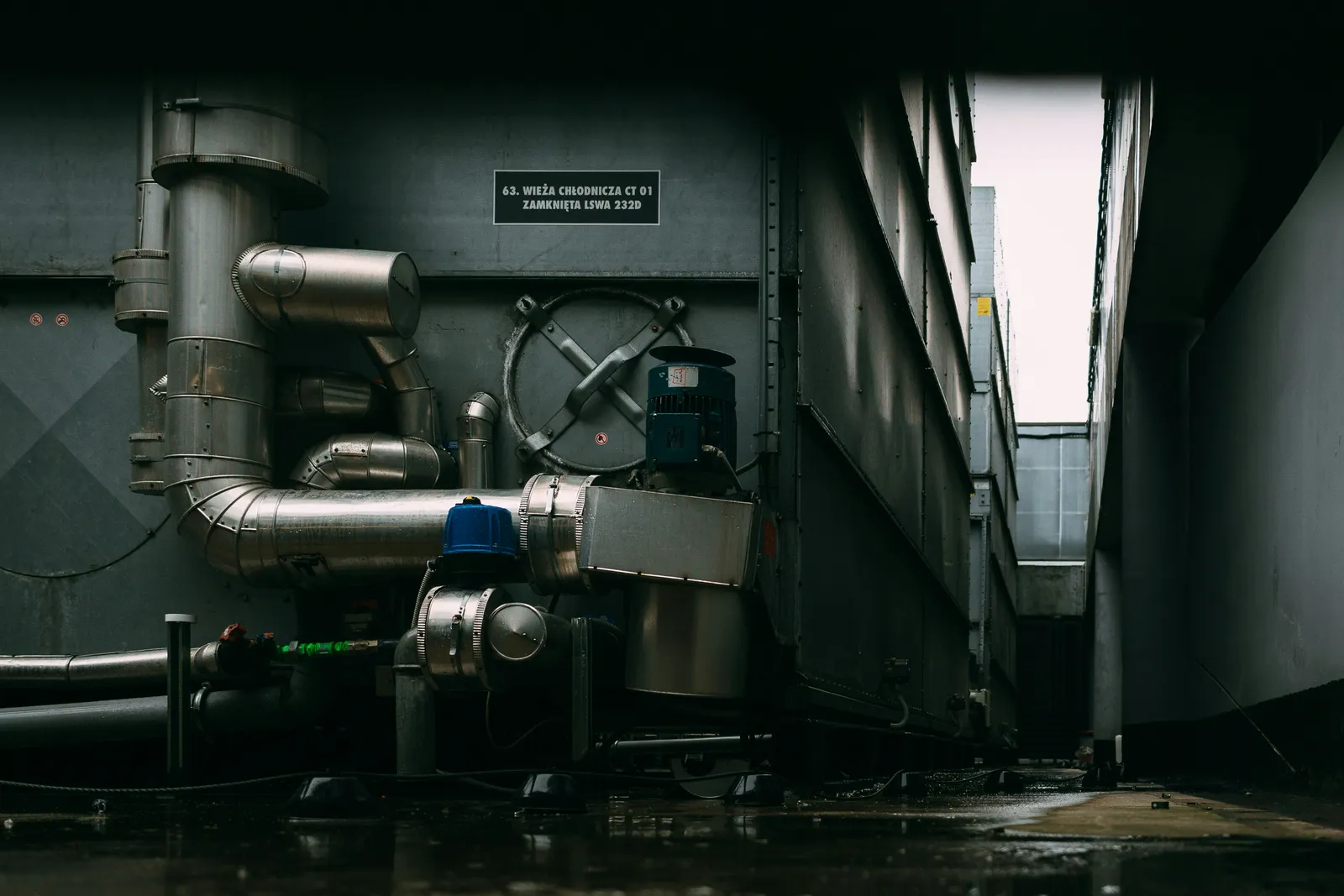
Understanding the differences between commercial electric boilers and conventional heating systems
In today’s business environment, the efficiency and sustainability of heating systems in commercial settings are paramount. As companies strive to lower operational costs and minimize their carbon footprints, the choice of heating systems becomes increasingly crucial. Among the various options available, commercial electric boilers are gaining popularity due to their unique advantages. This article provides a detailed comparison between commercial electric boilers and traditional heating systems, offering essential insights for informed decision-making.
The landscape of heating systems
Defining heating needs in commercial spaces
Commercial spaces require reliable and efficient heating solutions to maintain comfortable environments for employees, clients, and products. The heating needs vary greatly among different types of businesses, whether it’s an industrial facility, office building, or retail store. Selecting an appropriate heating system is crucial for overall functionality.
Exploring common heating solutions for commercial settings
Several traditional heating systems have long been the cornerstone of commercial heating. These solutions include gas boilers, oil boilers, and electric resistance heating systems, each with its operational dynamics, benefits, and drawbacks.
Introduction to commercial electric boilers
A commercial electric boiler provides heating by converting electricity into heat. These systems operate by heating water or generating steam without the need for fossil fuels, making them increasingly attractive in a world that prioritizes sustainability. The unique features of commercial electric boilers include compact designs, easier installations, and lower emissions, setting them apart from traditional counterparts.
Evaluating efficiency and performance
Energy efficiency: A key metric
Commercial electric boilers boast impressive efficiency ratings, often exceeding 95%. In contrast, gas and oil boilers typically operate between 80% to 92% efficiency. This stark difference in energy efficiency not only affects operational costs but also aligns better with sustainability goals for companies.
Comparing performance metrics
In terms of heating output and capacity, commercial electric boilers provide consistent heat production. They generally have a quicker recovery time compared to traditional heating systems. Businesses benefit from their ability to offer consistent, reliable heating, which is especially crucial in high-demand environments.
Understanding operational costs
Analyzing the cost per unit of heating reveals that while electricity may be more expensive than gas per therm, the overall efficiency and lower maintenance costs associated with commercial electric boilers often lead to significant long-term savings. Organizations utilizing electric boilers can expect reduced operational costs due to their diminished need for regular servicing and repairs.
Examining environmental impact
Analyzing carbon footprint
Traditional heating systems, especially those powered by gas or oil, result in considerable carbon emissions. In contrast, commercial electric boilers operate with zero emissions at the point of use. This transition to cleaner energy sources significantly contributes to minimizing a company’s carbon footprint.
Sustainability considerations and regulatory incentives
The integration of renewable energy sources, such as solar or wind, with commercial electric boilers further enhances their sustainability profile. Many countries offer regulatory incentives and subsidies for businesses transitioning to eco-friendly heating solutions, making commercial electric boilers an economically viable option.
Installation and maintenance differences
Simplifying the installation process
The installation of traditional heating systems can be complex and time-consuming due to venting requirements and fuel supply lines. On the other hand, commercial electric boilers typically require less installation time and effort, resulting in minimal disruption during the setup.
Comparing maintenance requirements
Traditional heating systems demand regular maintenance, including cleaning and servicing of burners and pipes. Conversely, commercial electric boilers require less frequent and less intensive maintenance, which can result in lower total ownership costs and less operational downtime.
Longevity and durability insights
In terms of lifespan, commercial electric boilers can often outlast traditional systems when properly maintained, making them a wise investment for the long term.
Financial aspects of investing in heating systems
Initial investment considerations
The capital investment for commercial electric boilers can be higher than traditional heating systems initially; however, the gap is narrowing as technology evolves. A cost comparison reveals that as energy costs rise, the long-term financial advantages of electric systems become more appealing.
Long-term financial benefits
Organizations considering a commercial electric boiler will find attractive payback periods due to their efficiency. Furthermore, potential utility grants and subsidies can offset upfront costs, enhancing the appeal of this heating solution.
Financing options for businesses
Various financing options, including loans and leasing arrangements, are available for businesses looking to invest in commercial electric boilers. This flexibility allows owners to adopt more sustainable heating practices without straining their budgets.
Real-world applications: Success stories
Success stories in industry applications
Numerous industries have successfully integrated commercial electric boilers into their operations, reaping considerable benefits. For instance, case studies show that manufacturing facilities switching to electric heating have seen improved energy performance and significant ROI.
Lessons learned from comparative practices
Businesses that have employed both electric and traditional systems in hybrid models provide valuable insights. These case studies exemplify best practices and offer lessons learned regarding efficiency, maintenance, and overall adaptability to changing energy landscapes.
Final thoughts on transitioning to electric heating solutions
This review of commercial electric boilers highlights the significant advantages they hold over traditional heating systems in terms of efficiency, environmental impact, installation ease, and long-term savings. As businesses look to modernize and adopt sustainable practices, the transition to electric heating solutions presents a compelling case. Organizations contemplating this shift would benefit greatly from further information and guidance. For a deeper understanding of commercial electric boilers and their available options, visiting https://culmstoreseltermltd.co.uk/en_GB/c/Commercial-Electric-Boilers/85 is highly recommended.